
Exhibition: The Blue Room
To enlarge each work to 10 feet by 10 feet, and place one work in each wall in a large white room
This series explores the colour blue in reflecting on art, Nature, culture. I feel blue is a colour that when presented in room has existential meaning. I have selected works with texture, with abstract expressionism, with colour field, to open the conversation to how we experience colour.


Yves Klein The Blue Room #1 , Acrylic on Canvas, photographed, 24 in x 20 in, 2016, to be reprinted gilcee on paper, 24 in x 24in, 2022, to be reprinted and enlarged, 120 in x 120 in, 2030

Yves Klein The Blue Room #2 , oil on Canvas, 33 in x 30 in, 1990, photographed, to be reprinted gilcee on paper, 24 in x 24in, 2027, to be reprinted and enlarged, 120 in x 120 in, 2030

Yves Klein The Blue Room #3 , Acrylic on Canvas, 24 in x 20 in, 2020, to be reprinted giclee on paper, 24 in x 24in, 2027, to be reprinted and enlarged, 120 in x 120 in, 2030

Yves Klein The Blue Room # 4 , Acrylic on Canvas, 40 in x 40 in, 2010, to be reprinted gilcee on paper, 24 in x 24in, 2027, to be reprinted and enlarged and framed, 120 in x 120 in, 2030
Yves Klein Blue Painting – Analyzing This Blue Monochromatic Painting
ByIsabella Meyer PostedJanuary 20, 2022 UpdatedOctober 11, 2024
Yves Klein Blue Painting in Context
Yves Klein was famous for his blue monochromatic paintings, more specifically in the ultramarine blue color. The French artist was remembered as creating around 200 pieces, which resulted in his blue monochromatic painting collection. IKB, or International Klein Blue, is known as his trademark color style.
Below, we take a closer look at Yves Klein’s art and IKB, starting with a brief contextual background, where we will look at what motivated this blue painter to create the artworks he did.
Following this, we will look at a blue monochromatic painting example in more detail, giving a formal analysis of the subject matter, his stylistic processes, and other meanings related to the famous blue painting.
| Artist | Yves Klein |
| Date Painted | 1959 |
| Medium | Dry pigment in polyvinyl acetate on cotton over plywood |
| Genre | Painting, Performance |
| Period / Movement | Nouveau Réalisme and Performance art |
| Dimensions | 195.1 x 140 centimeters |
| Series / Versions | Part of the artist’s blue monochromatic paintings |
| Where Is It Housed? | Tate Modern, London, England |
| What It Is Worth | Not available |
Contextual Analysis: A Brief Socio-Historical Overview
Blue ran deep for Yves Klein, and he poured out this depth onto his canvases in the lustrous ultramarine we see on his canvases today. Let us look at the beginnings of Klein’s career, and more importantly, how he started painting his monochromes.
The year 1947 was an important marker for Klein because of an often reported “epiphany” he had while lying on the beach with his two friends. Yves Klein was good friends with Armand Fernandes, as well as Claude Pascal, who was a poet.
It was recalled that the three friends “divided” the universe into three, each being in control of one piece. Arman was in control of the earth, the physical world; Pascal was in control of “language and words”, and Klein was in control of space, or “the void” as it was called. This ultimately led to Klein’s interest in the ideas of space and the void, and what was understood as infinity.
From Multi-Color to Monochrome
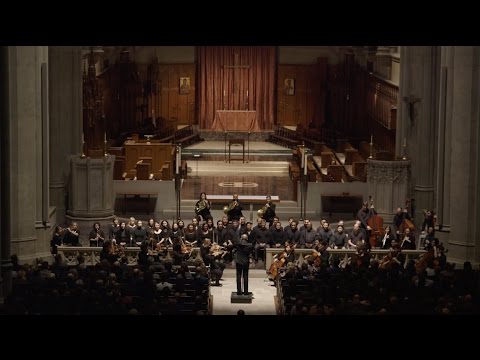
Klein held private and public exhibitions during the 1950s and was remembered as starting with multi-colored paintings. His private exhibition from 1949 introduces us to his play on the monotone. The exhibition was called The Monotone-Silence Symphony, which consisted of playing 20 minutes of a musical chord and then 20 minutes of silence.
Klein continued to exhibit with multi-colored monochromes, his exhibition in 1955 was a public exhibition marked by his publication titled Yves Peintures (1954). Interestingly, Klein’s “booklet” was published before he produced the monochromatic paintings.
It consisted of ten colored sheets or “plates”, however, the booklet itself had around 15 pages. The sheets were rectangles of colors, such as yellow, red, brown, green, orange, gray, ultramarine blue, turquoise, pink, and light minty green. The first exhibition was held at the Club des Solitaires in October of 1955 and the second exhibition was held at the Gallery Colette Allendy in February 1956, which was called Yves: Proposition monochromes.
The above-mentioned exhibitions displayed monochrome paintings in various colors like reds, yellows, oranges, and blues.
However, the prominent colors were reportedly gold, blue, and pink for the Yves: Proposition monochromes exhibition. Gold and pink would specifically become significant signature colors for Klein alongside his famous blue.

Klein realized the effects the above exhibition had were undesired, especially in the way the audience saw it, which was more along the lines of being decorative pieces. The audience confused the Yves Klein art with a different type of “space”.
In other words, Klein aimed to convey a deeper meaning with his 20 paintings, one of an “immeasurable existence of color”, almost like infinite space, while the audience perceived it as more decorative-type pieces suited to indoor spaces.
The Beginnings of Blue
After his monochromes of different colors and the undesirable reception of these from his exhibition in 1956, Klein started with his newer monochromes, which consisted of only blue. In 1956 he created what was to become his trademark color called International Klein Blue with the assistance of Edouard Adam who was the owner of an art supply shop in Paris,
This led to his exhibition in 1957 called Proposte Monocrome, Epoca Blue, which means “Proposition Monochrome; Blue Epoch”, at the Milan-based Gallery Apollinaire. Here Klein displayed 10 blue paintings with even spaces between each. However, some sources state Klein displayed 11 paintings. The said “blue” paintings were held in place on poles and all appeared identical in shape.
What was unique about Klein’s new exhibition was that he gave each painting a different price, which further added to how each painting would be perceived even though they were all similar. This was done to ascertain the personalized perceptions of each painting on the viewer’s, or buyer’s, part, and the effects the paintings had on them and their own unique perception of value.
Klein continued utilizing and applying blue in different ways, most notably in his Anthropométries (“Anthropometry”) series, which included female models’ bodies and paint rollers. These were not typical exhibitions, but more performances where women were in the nude and covered with blue paint, and they made imprints on large canvases or walls with their bodies.

Accompanying the performance was live music played by several musicians. It has often been reported that the above-mentioned display of blue became a performance art and there were people who attended as audience members clad in formal attire.
What is worth noting here about the above-mentioned “performance” piece was that Klein approached his artwork in a wholly different manner. Whereas he was previously involved in the process of its creation, here he seemed to orchestrate his artwork intentionally, from afar.
He is reported as saying about his blue-painted models and artwork, “I personally would never attempt to smear paint over my own body and become a living brush; on the contrary, I would rather put on my tuxedo and wear white gloves. I would not even think of dirtying my hands with paint. Detached and distant, the work of art must complete itself before my eyes and under my command”.
Klein produced numerous other works during his artistic career and was remembered as one of the leading figures or pioneers of performance art.
He also experimented with different media that played with the idea of infinity, specifically the addition of more natural materials like gravel, fire, sea sponges, and water. He created sculptures that would convey a sense of the infinite, something that was quite significant to the artist and his inner world and perceptions.
Nouveau Réalisme
It is also important to note that Klein was a part of the Nouveau Réalisme group, which means “New Realism”. The Nouveau Réalisme group originated in France during the 1960s and was led by Pierre Restany who was an art critic and Yves Klein, the latter was an important leading figure. However, both figures had differences of opinions when it came to the group and what it stood for, whether it was following in the footsteps of Dadaism or something more postmodern.
The movement was known as the French equivalent of Pop Art and utilized a variety of artistic modalities as expression. The core tenets of the group were to utilize objects and deconstruct these to convey a message. Furthermore, it was to meld objects and make something new in line with a more realistic view of reality.
The group of artists had their first exhibition in Milan at the Apollinaire Gallery in 1960. This is also when Restany used the term Nouveau Réalisme to refer to and describe the artworks of various artists, including Klein. Restany wrote the following in the exhibition’s catalog, “The passionate adventure of the real perceived in itself and not through the prism of conceptual or imaginative transcription”.
Restany also wrote the manifesto for the group who signed their names in it, the manifesto read, “The Nouveaux Réalistes have become conscious of their collective identity; Nouveau Réalisme = new perceptions of the real”. Some of the notable artists included Arman, whose full name is Armand Pierre Fernandez, Jean Tinguely, Daniel Spoerri, Raymond Hains, François Dufrêne, and others.
Yves Klein eventually broke away from the group during 1961 due to the group’s close affinity for and continuation of the Dadaist legacy. Klein’s artwork became more progressive and veered away from the seeming limited aspects that the Nouveau Réalisme group held on to.
Formal Analysis: A Brief Compositional Overview
Below we will discuss several examples of Klein’s blue monochromatic painting pieces while focusing on a selected example throughout for more context. Although many appeared almost identical, Klein created a significant number of different blue pieces. Yves Klein art is characterized by only one element, and that is blue, more specifically his International Klein Blue, which is the primary subject matter for his famous blue painting collection.
 Yves Klein’s Blue Monochrome (1961); No machine-readable author provided. Solipsist~commonswiki assumed (based on copyright claims)., Public domain, via Wikimedia Commons
Subject Matter: Blue Is the Main Protagonist Here
One example from the Yves Klein blue painting collection is IKB 79, Untitled Blue Monochrome (1959). Numerous paintings are titled “IKB”, which stands for International Klein Blue. After Klein’s death his wife, Rotraut Klein-Moquay, numbered the paintings in this manner, giving each painting a specific designating number as there were almost 200 blue monochromatic painting pieces.
However, the pieces were not numbered in the order they were made in and so there has been difficulty in determining the chronological order of each Klein blue painting.
In this example, we look at number 79, which, as we would surmise, is a monochromatic canvas painted completely in the trademark blue that Yves Klein is so famous for. There is nothing else on this canvas except the blue color, filling up each corner and border.
In IKB 79 we are almost forced to stop and stare for a while longer in case something might jump out at us from the blue depths. In fact, it is this blue depth that Klein makes the focal point in this composition, and some would question whether we can call this a composition at all, is it not just a canvas painted blue?
For Yves Klein the main subject matter is blue, this is the blue paint as the medium and the blue color and what it symbolizes.
Klein places this in front of us, the viewers, and whether we question it or not is up to us. Ultimately, he is evoking a new way of seeing, a new way of stopping and understanding something that is not depicted in a traditional and conventional manner, but uniquely avant-garde.
Color
We would be remiss if we did not have a part of the formal analysis discussing color, however, maybe we are all aware by now the primary color of the composition is blue. But what blue is this and how did Klein create his signature color and ultimately, his signature subject?
This Klein blue has been called an ultramarine hue, but the artist himself worked on the color with a chemist/scientist to achieve the unique color it is now.
The process consisted of “suspending” the dry blue pigment in a blend of synthetic resin, namely polyvinyl acetate, and a binder. The color also has a matte effect, which has been a large component of its unique vividness.
The Klein blue has been a trademarked color. Yves Klein presented a Soleau envelope in 1960 to patent his blue color, however, there has been debate about the accuracy of this as some scholarly sources suggest that Klein never patented his color; the submission of the Soleau envelope preceded the patent application process. It should be noted that there is a difference between the concepts of trademark and patent.
As we mentioned earlier, Klein exhibited with other colors with his signature blue, however, he would focus on pink and gold as the other important primary colors in his artistic palette. These colors represented different ideas to Klein. He is reported as saying about his exhibition Yves: Propositions Monochromes:
“Fire is blue, gold and pink, the bases of my monochrome paintings. I see it as a universal principle for the explanation of the world”.
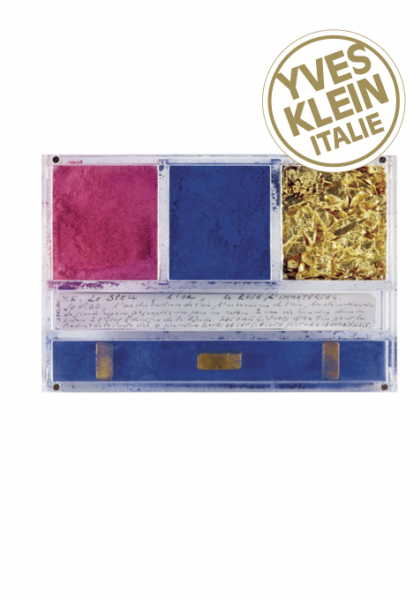
An example of Klein’s pink and gold can be seen in his Ex-voto (1961), which was a dedication to Saint Rita of Cascia. This was given to the monastery of the same name. It is reported that Klein made several pilgrimages to this monastery and his artwork is a testament to his devotion to his religious beliefs. In Klein’s Ex-voto, we see the primary colors, pink on the far left his signature Klein blue in the middle, and to the far right what appears to be gold leaf. The colors are set in three squares on the top part.
Texture and Line
If we look at other examples from the Yves Klein blue painting collection, we will notice his play with different textures. Some of his paintings appear with thickly applied paint and others with thinner applications like in IKB 79.
For example, in IKB 45 (1960) we see the entire canvas covered in thick strands of dried paint, seemingly applied in all sorts of directions. If we look closer, we can easily reach out our hand and touch the thick protrusions of paint.
Another example is IKB 67 (1959) where we notice a uniform application of thinner brushstrokes, which have a slight relief to them. This Klein blue almost reminds us of the calming ocean waves rippling from a light breeze. Could this be one of the effects Klein wanted to convey?
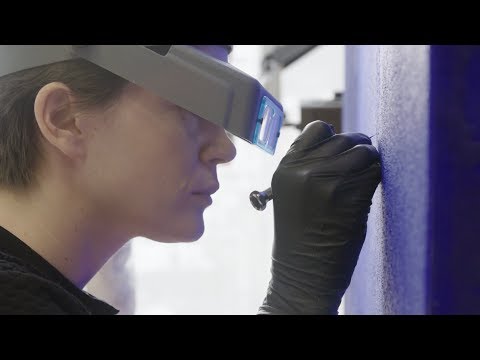
In other examples Klein utilizes sponges to create a relief effect, this we see in Blue Sponge Relief (RE 51) (Relief Eponge Bleu) (1959) and Untitled Blue Sponge Relief (RE 18) (1960). The latter is another blue canvas, but in this example, we will notice almost over 20 small natural sponges in two large, centralized, clumped groups, with one or two towards the outer edges. Klein also included pebbles in some of these compositions, which played on the ideas of the infinite world and physical world.
There is an element of line when we look at some of Klein’s more textured blue paintings. Through the texture, a sense of formal line and geometry is created, but was this Klein’s intention or merely just a stylistic consequence of the effects created by how the paint was applied and dried?
For Klein, focusing on lines in a painting did not seem as important as his focus on the monochromatic space, which ultimately represented the idea of space and the infinite, something the artist could not convey using conventional formal elements in painting like lines, shapes, and structure.
The Symbolism of Blue
For Klein blue was something deeper than just applying a color to a canvas. The artist was a deep thinker, and we see this depth of feeling and awareness depicted on the canvas, we almost become consumed by it in our seeming uncertain consumption of it. Some of the symbolic references from this painting refer to something Klein felt an affinity to, which was the idea of infinity. For him, the monochrome was a reference to infinite space.
He is often quoted as comparing his paintings to being an “open window to freedom, as the possibility of being immersed in the immeasurable existence of color”.

Klein was also impacted by the beautiful blues from frescos in Italy, he held religious beliefs in the Catholic faith and blue was religiously symbolic. We see this blue in most of the Renaissance paintings especially the meaning it holds depicted on holy figures like Jesus Christ or Mother Mary.
Klein was not only religious but he was also learned in philosophical ideals, reportedly the Rosicrucian order, an esoteric spiritual movement that believes in wisdom passed down from ancient teachings or times. Klein was also familiar with the teachings of Buddhism, teachings he would have inevitably learned more in-depth during his stay in Japan when he learned martial arts, specifically Judo.
Furthermore, the International Klein Blue resembled the sky and depths of the ocean, the infinite expanses of these natural environments. We are urged to recall when Klein and his two friends lay on the beach and Klein was the keeper, so to say, of the sky or space, or as some say, “the void”.
Always Blue and Beyond
Yves Klein art is unique, and he was one of the pioneers of performance arts, not only painting but incorporating melodies as part of his performing pieces. The blue painter also painted objects blue, whether it was a cast of a globe of the earth, La Terre Bleue (1957), or a plaster of female nude representing Venus, La Vénus d’Alexandrie (Vénus Bleue) (1961).
Whether we call it the void or infinity, either concept holds the essence of something unseen, immaterial, immeasurable, and a world beyond what we understand. These concepts are brought to life in Yves Klein’s famous blue painting collection we touched upon in the article above.
To understand even a fraction of Yves Klein, the beloved blue painter, we need to merely gaze at his artwork. He has been described along the lines of being a mystic and alchemist and we see this in his oeuvre. He understood something deeper about life, which was undoubtedly developed by his experience in martial arts and his time living in Japan. Yves Klein died of a heart attack when he was 34 years old and since his death, he has been one of the widely celebrated artists from the 20th century. He is difficult to miss and easy to spot at any art gallery – just look out for the bluest blue you have ever seen.

Frequently Asked Questions
Who Was Yves Klein?
Yves Klein was a French painter who lived and painted during the mid-1900s. He was famous for his trademark color called International Klein Blue and his blue monochromatic painting style, which was on canvases as well as sculptural objects. He was a significant artist and one of the pioneers of performance art. He was part of the Nouveau Réalisme art group and paved the way for other art movements like Minimalism and Pop Art.
What Is IKB?
IKB, also known as International Klein Blue, is a color trademarked by the French artist from the 1900s, Yves Klein. This is an ultramarine blue that Yves Klein formulated by “suspending” dry pigment in a binding solution. The effect produced was of a brilliant blue hue.
What Was the Meaning Yves Klein Blue?
Blue symbolized different things for Yves Klein, namely, religious meanings inspired by the blues from religious paintings typical of the Renaissance period. Klein also believed deeply in conveying the ideas of infinity and space, “the void”. His paintings became representations of the “immeasurable” aspects of infinity. Furthermore, Yves Klein’s paintings also represent the vastness we find in the sky and the ocean.
What Type of Artist Was Yves Klein?
Yves Klein was a painter and sculptor; however, he was one of the first artists who started performance arts and developed it further. He was also known as one of the first conceptual artists from the 20th century due to various of his performed pieces. For example, what is known as his photomontage of jumping from a building to appear like he was flying, called Saut dans le vide (Leap into the Void) (1960). Other examples include exhibiting invisible artworks in a gallery space as “seen” in his exhibition called The Void (1958), which was held at the Iris Clert Gallery located in Paris. All that was in this gallery space was an empty cabinet, a window painted blue, and a blue curtain for the entrance. Klein organized this exhibition like a real event, providing blue drinks for the guests who were reportedly around 3,000 in number.
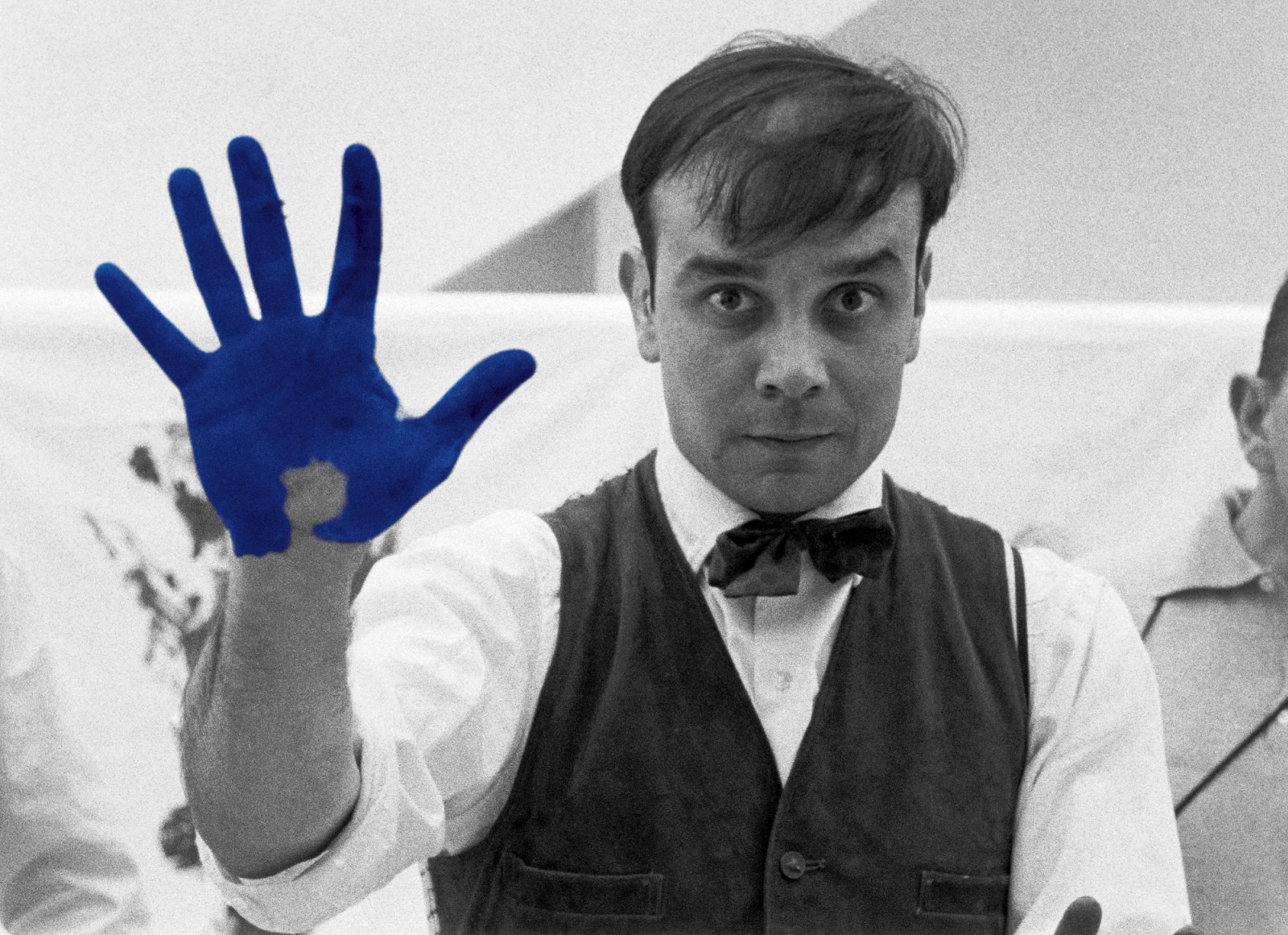
Portrait of Yves Klein made on the occasion of the shooting of Peter Morley “The Heartbeat of France”, February 1961 Studio of Charles Wilp, Düsseldorf, Germany
© Photo : Charles Wilp / BPK, Berlin
Born on April 28 1928 in Nice, Yves Klein had as a first vocation to be a judoka. It was only back in Paris, in 1954, that he dedicated himself fully to art, setting out on his ‘adventure into monochrome’.
Animated by a quest to ‘liberate colour from the prison that is the line’, Yves Klein directed his attention to the monochrome which, to him, was the only form of painting that allowed to ‘make visible the absolute’.
By choosing to express feeling rather than figurative form, Yves Klein moved beyond ideas of artistic representation, conceiving the work of art instead as a trace of communication between the artist and the world; invisible truth made visible. His works, he said, were to be ‘the ashes of his art’, traces of that which the eye could not see.
Yves Klein’s practice revealed of new way of conceptualising the role of the artist, conceiving his whole life as an artwork. According to him, beauty existed everywhere, but in a state of invisibility. His task was to to capture beauty wherever it might be found, in matter as in air.
The artist used blue as the vehicle for his quest to capture immateriality and the infinite. His celebrated bluer-than-blue hue, soon to be named ‘IKB’ (International Klein Blue), radiates colourful waves, engaging not only the eyes of the viewer, but in fact allowing us see with our souls, to read with our imaginations.
From monochromes, to the void, to his ‘technique of living brushes’ or ‘Anthropometry’; by way of his deployment of nature’s elements in order to manifest their creative life-force; and his use of gold as a portal to the absolute; Yves Klein developed a ground-breaking practice that broke down boundaries between conceptual art, sculpture, painting, and performance.
Just before dying, Yves Klein told a friend, “I am going to go into the biggest studio in the world, and I will only do immaterial works.”
Between May 1954 and June 6, 1962, the date of his death, Yves Klein burned his life to make a flamboyant work that marked his era and still shines today.
Chronology
https://www.yvesklein.com/en/yves-klein/
1928
Yves Klein was born in Nice on 28 April 1928 to painter parents – Fred Klein, a figurative painter, and Marie Raymond, an abstract painter.
1928 – 1946
During his childhood, the Klein family lived between Paris and Nice.
1947
During the summer, Yves Klein joined the judo club at police headquarters and met Claude Pascal and Armand Fernandez, the future Arman. They were united by a strong attraction to physical exercise, and all three aspired to the ‘Adventure’ of travel, creation and spirituality. For Yves, judo was the first experience of ‘spiritual’ space.
On the beach in Nice, the three friends decided to ‘share the world’: Armand would have the earth and its riches, Claude Pascal the air, and Yves the sky and its infinity.
1948 – 1954
During the summer of 1948, Klein visited Italy (Genoa, Portofino, Pisa, Rome, Capri, Naples…).
In November 1948, he left for eleven months of military service in Germany.
At the end of 1949, Claude Pascal and Yves Klein moved temporarily to London where they continued their judo activities. Yves found a job with the framer Robert Savage. His time with Savage taught him rigour in his work. Yves learned to gild with gold leaf.
During this period, Yves created a number of monochrome paintings on paper and cardboard using pastels and gouache. He also devised a Monoton-Silence Symphony and wrote film scripts about art.
In 1951, Yves Klein left for Madrid to study Spanish. Joining a judo club, Klein replaced an instructor and from then on regularly took on this role. He became very close to the headmaster of the school, Fernando Franco de Sarabia, whose father was a publisher.
With the help of his aunt, he left for Japan in 1952 and enrolled at the Kôdôkan Institute, the most prestigious judo centre. He lived in Japan for fifteen months, dividing his time between the Institute and giving French lessons to American and Japanese students. Shortly before his return, he obtained his 4th dan in judo, thus reaching the highest level in Europe.
1954 – 1957
On his return from Japan, he published Yves peintures in Spain and Les Fondements du judo in Paris. These publications reflected his dual career as a judoka and artist.
In the spring of 1955, he exhibited an orange monochrome entitled ‘Expression de l’univers de la couleur mine orange’ at the Salon des Réalités Nouvelles, which was reserved for abstract artists. The rectangular wooden panel was uniformly covered in matt orange paint. It is signed with the monogram YK and dated May 1955. The monochrome was rejected by the jury.
In October, the first public exhibition of Yves Peintures was held at the Club des Solitaires in Paris. Yves exhibited monochromes in different colours.
In 1956, Yves exhibited his works at the Galerie Colette Allendy in Paris, ‘Yves, Propositions Monochromes’. During the opening, Klein met Marcel Barillon de Murat, knight of the Order of the Archers of Saint-Sébastien, who invited him to join them. On 11 March, Yves was knighted in the Order of the Archers of Saint-Sébastien in the Church of Saint-Nicolas-des-Champs in Paris. His motto was: For colour! Against line and drawing!
Yves Klein met Iris Clert, who ran a small 20 m2 gallery at 3, rue des Beaux-Arts in Paris.
1957 marked the beginning of his ‘Époque bleue’.
During this year, Yves perfected the production of the colour he would call IKB (International Klein Blue), which was characteristic of the works of his ‘Epoque bleue’ and would be his signature until 1959.
Presented in January 1957, the exhibition ‘Yves Klein, Proposte monocrome, epoca blu’ at the Galleria Apollinaire in Milan consisted of eleven blue Monochromes of the same format suspended by a system of brackets at a distance of 20cm from the wall, saturating the limited space of this small gallery.
In May 1957, Yves presented a double exhibition at the Galerie Iris Clert in Paris: Yves, Propositions monochromes from 10 to 25 May and Pigment pur from 14 to 23 May at the Galerie Colette Allendy.
– At Iris Clert, Yves chose to present his Propositions monochromes as he had done in Milan. The advent of L’Epoque bleue was celebrated by releasing 1,001 blue balloons into the Paris sky at the inauguration. Klein described this gesture as Sculpture aérostatique
– At Colette Allendy, Yves presented a group of works that heralded his future developments: Sculptures, environnement, vats of pure pigment, paravent, the first fire painting, Feux de Bengale-tableau de feu bleu d’une minute (M 41) and the first Immatériel: a room was left entirely empty as a testimony to the presence of pictorial sensibility in its raw material state. The joint invitation to the two exhibitions bore a text by Pierre Restany and was franked with a blue stamp by Yves Klein.
In June 1957, the exhibition ‘Yves, propositions monochromes’ opened at the Schmela Gallery in Düsseldorf with monochrome paintings in different colours. At this exhibition, Yves Klein made friends with the artists of the ZERO group (Otto Piene and Heinz Mack) and with the young Düsseldorf art scene.
In July, the ‘Monochrome Propositions of Yves Klein’ exhibition was held at Gallery One in London. The exhibition featured monochrome paintings in different colours.
During the summer, Yves met Rotraut Uecker (Rerik, 1938) in Nice. She was a German artist who worked as an au pair for Arman and later became his assistant and then his wife.
1958 – 1960
Winner of an international competition launched in 1957 by the municipality of Gelsenkirchen in Germany, Yves Klein was commissioned to create a series of Reliefs Eponges and monumental monochrome panels.
At the same time, Yves Klein was seeking to go beyond an agreed definition of art: he exhibited empty spaces and made statements that had the value of a work. The Immaterial that the artist ‘specialised’ in was the subject of transactions in exchange for gold, both a noble metal and a colour, which took on a singular place in his work.
The Monogolds were produced between 1960 and 1961, using fine gold in their composition, a material as precious as it was symbolic. Some Monogolds consist of a series of rectangles assembled into grids; others are composed of mobile gold leaves fixed to a panel covered in burnished gold, which quiver at the slightest breath; finally, some are concave reliefs in which the covering gold leaves have been carefully polished until they acquire a real power of reflection.
His collaboration with the architect Claude Parent on the Architecture de l’air project was a milestone.
On 19 May 1960 Klein registered the blue formula he had developed under the name International Klein Blue (IKB).
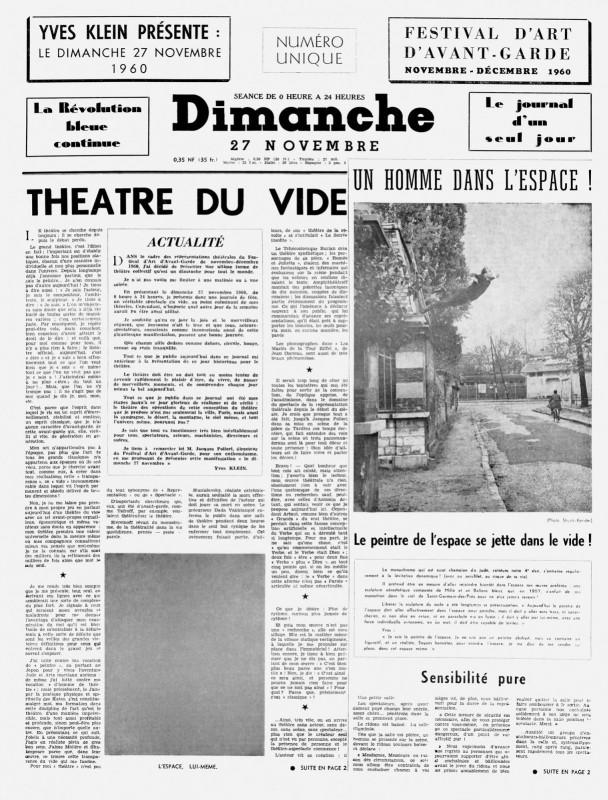
Thanks to him, the public space (the illumination of the obelisk on the Place de la Concorde) and the media (the Sunday 27 November 1960 edition) appeared as new territories for art.
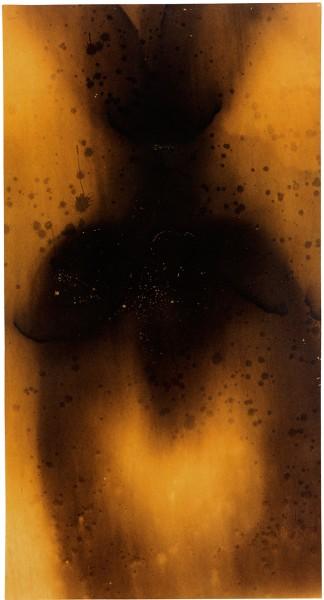
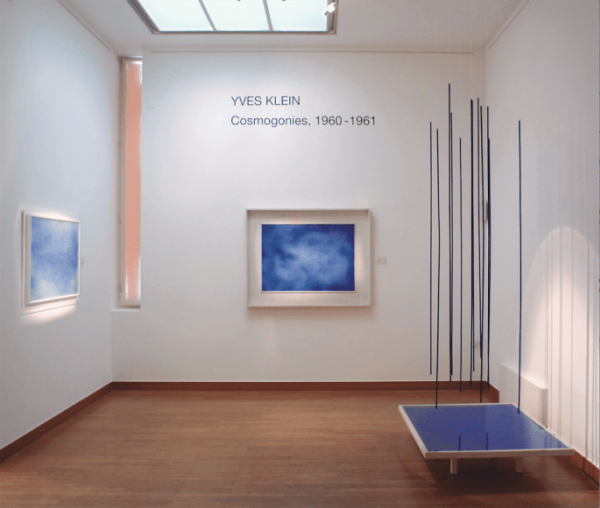
Natural forces and elements also become the raw material for his Cosmogonies, marks of the moment-states of nature.
His reflections on art led him to imagine new relationships with his models, who became the ‘living brushes’ of his Anthropometries, marks of the ‘moment-states of the flesh’.
On 19 October 1960, Yves Klein made Le Saut dans le vide, 3 rue Gentil-Bernard in Fontenay-aux-Roses, which was photographed by Harry Shunk and John Kender.
On 27 October 1960, the manifesto of the Nouveaux Réalistes was signed in his flat. The Déclaration constitutive du groupe des Nouveaux Réalistes, drafted by Pierre Restany, was signed by Arman, Dufrêne, Hains, Klein, Raysse, Restany, Spoerri, Tinguely and Villeglé. César and Rotella were invited but were absent.
1961 – 1962
A radical artist, Yves Klein was a model for the European artists of the Zero group.
In January 1961, the Museum Haus Lange in Krefeld held the first institutional retrospective of his work, entitled ‘Yves Klein: Monochrome und Feuer’. Yves Klein exhibited his blue, pink and gold monochromes, the Dessins-architecture and the Mur de Feu. On 26 February, when the exhibition closed, Klein produced the first Peintures de Feu.
In February 1961, Yves Klein travelled to Cascia in Italy to leave an ex-voto at the monastery of Saint Rita. The object was found in 1980 in the monastery’s offerings depot.
Between March and July 1961, Yves Klein produced Peintures de Feu at the Gaz de France test centre near Paris. An extension of the Cosmogonies and Anthropometries, the Peintures de Feu are the hallmark of the ‘States-moments of fire’.
He did not hesitate to use his image and his private life as material for his art,
On Sunday 21 January 1962, Yves and Rotraut were married in the church of Saint-Nicolas-des-Champs in Paris. Everything about the ceremony was meticulously orchestrated by the artist himself, with a real concern for ritual.
While working on the Portraits Reliefs of his friends Arman, Claude Pascal and Martial Raysse, he died of a heart attack at home on 6 June 1962, aged 34. His son Yves was born in Nice in August.

Photo, January 21st 1962Wedding of Yves Klein and Rotraut Uecker


Document, 1957Chamonix Journal – excerpts from journal

Exhibition, 4 janv. 1960 – 1 févr. 1960La nuova concezione artisticaGalleria Azimuth, Milan, Italy


Exhibition, 17 mai 1961 – 10 juin 1961À 40° au-dessus de DadaGalerie J, Paris, France

Exhibition, 30 avril 1960Les Nouveaux RéalistesGalleria Apollinaire, Milan, Italy

Exhibition, 31 janv. 1960 – 29 févr. 1960AntagonismesMusée des Arts Décoratifs, Paris, France

![Yves Klein and Ci-gît l'Espace [Here Lies Space] (RP 3)](https://www.yvesklein.com/files/photo_thumbnail_3694.jpg)
Photo, ca. 1960Yves Klein and Ci-gît l’Espace [Here Lies Space] (RP 3)

Book, 2015Burning Cutting Nailing


Artwork, 1957Untitled Blue Monochrome, (IKB 143)
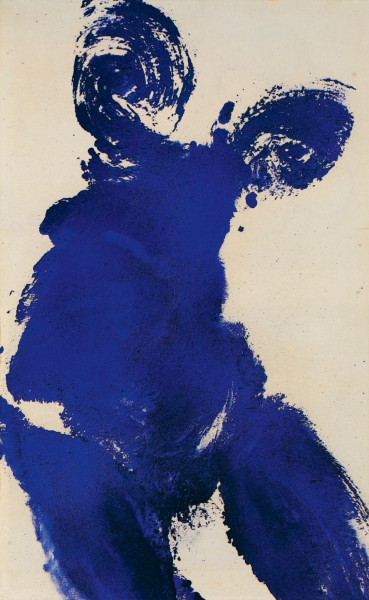
Artwork, 1962Untitled Anthropometry
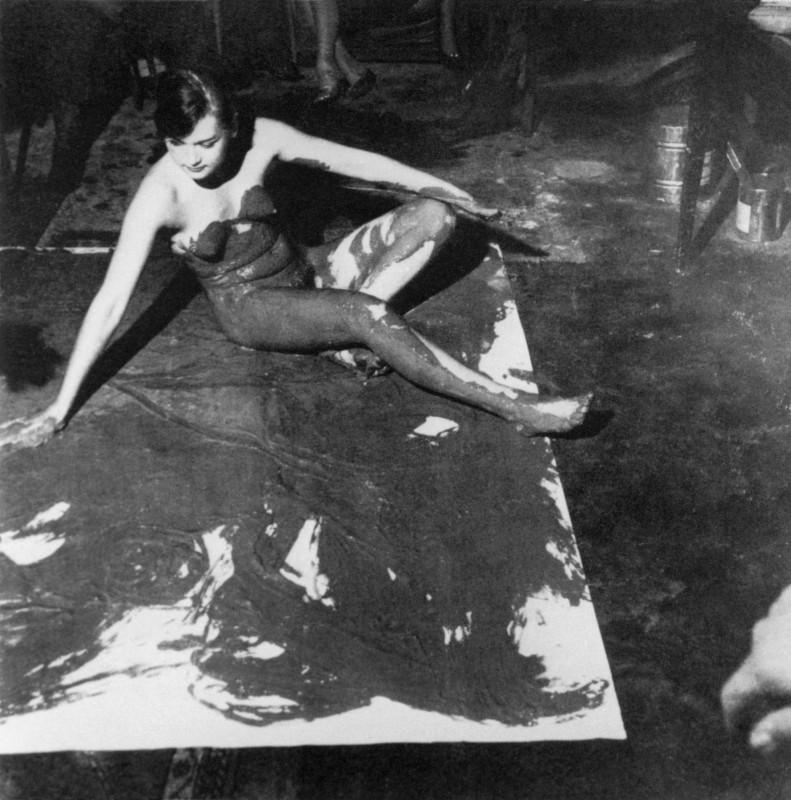
Editorial, 2017, Denys Riout”Bodies, flesh and imprints”, by Denys Riout

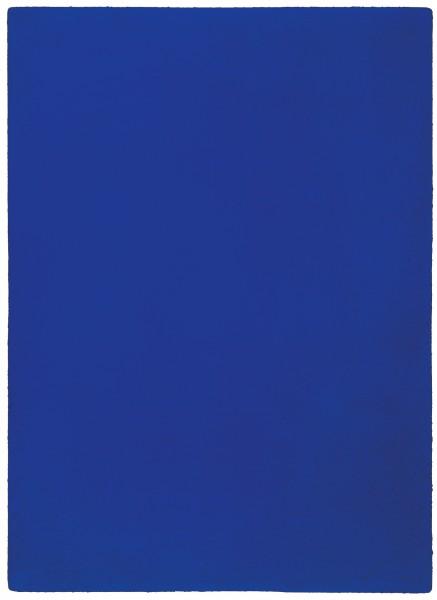
Artwork, 1961Untitled Blue Monochrome, (IKB 68)
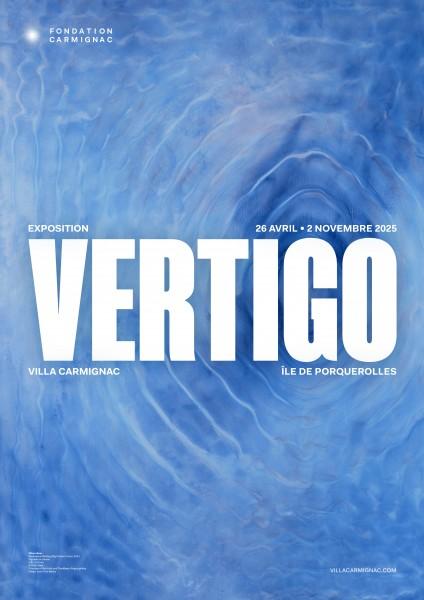
Exhibition, 26 avril 2025 – 2 nov. 2025VertigoFondation Carmignac, Porquerolles, France
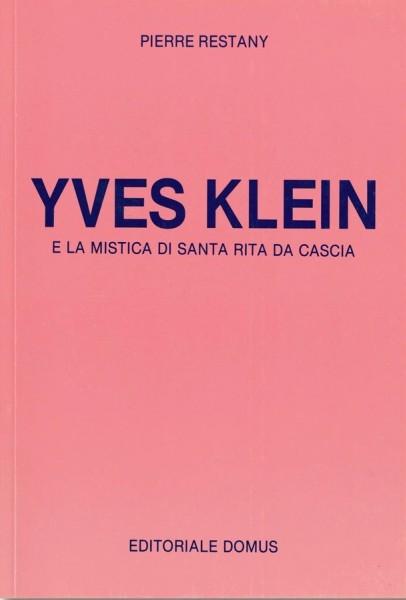
Book, 1981Yves Klein e la mistica di Santa Rita da Cascia
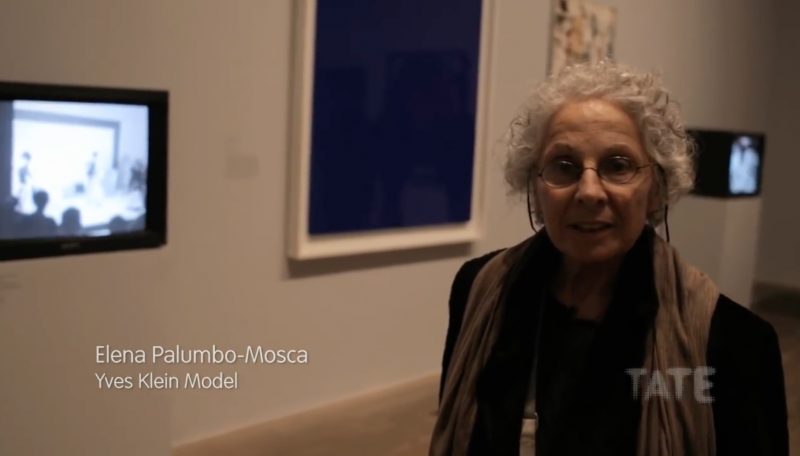
Editorial, 2012, Elena Palumbo-MoscaAnthropometries, by Elena Palumbo-Mosca, model for Yves Klein
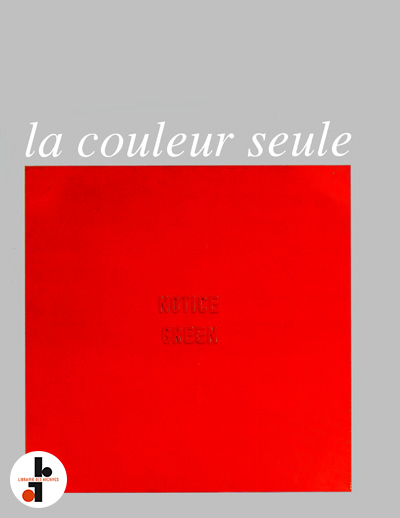
Book, 1988La Couleur seule : l’expérience du monochrome
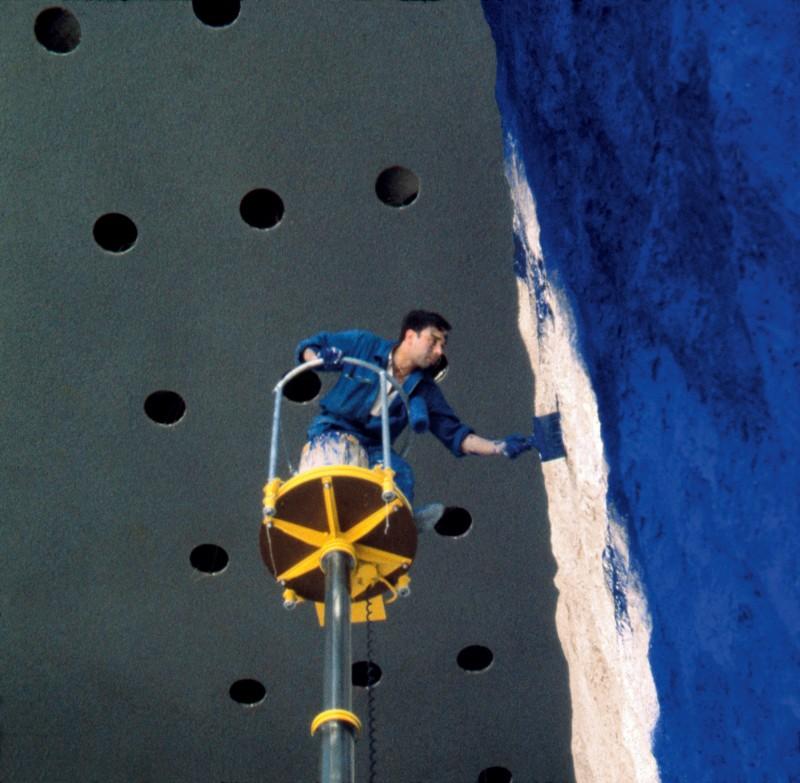
Editorial, 2013, Christelle LecœurThe “Pneumatic Rocket” as seen by Christelle Lecœur

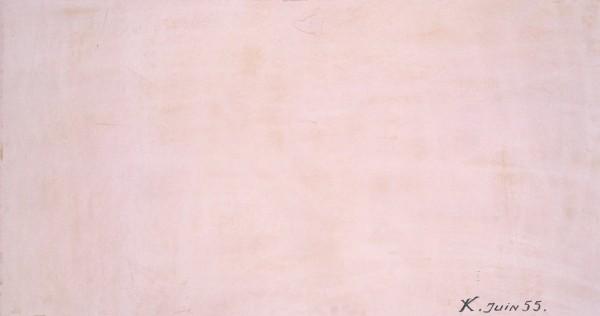
Artwork, 1955Untitled Pink Monochrome, (MP 55)
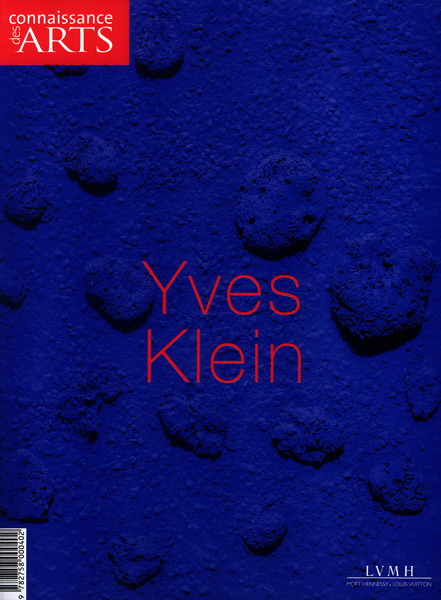
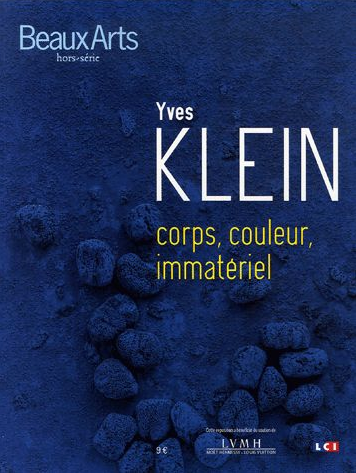
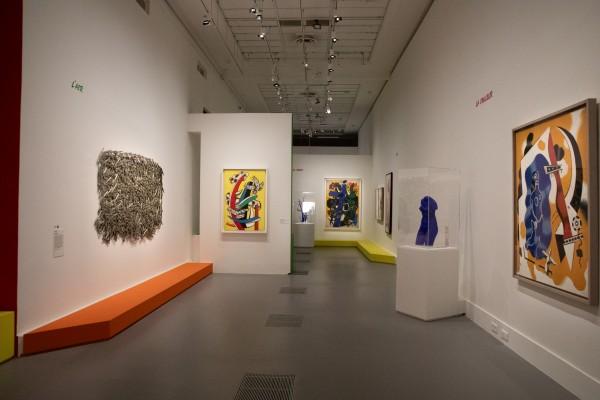
Exhibition, 19 mars 2025 – 20 juil. 2025Tous Léger !Musée du Luxembourg, Paris, France
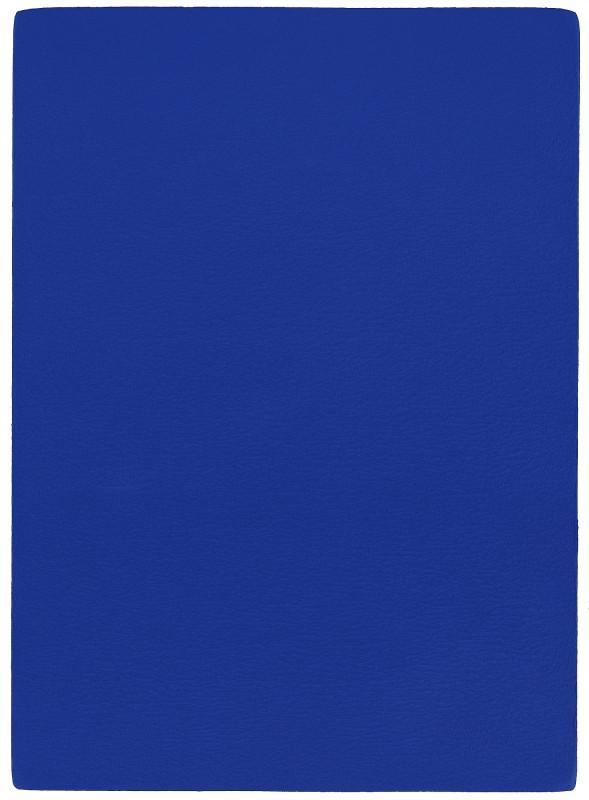
Editorial, 2022, Damien Sausset”Spirituality in Klein’s work, by Damien Sausset
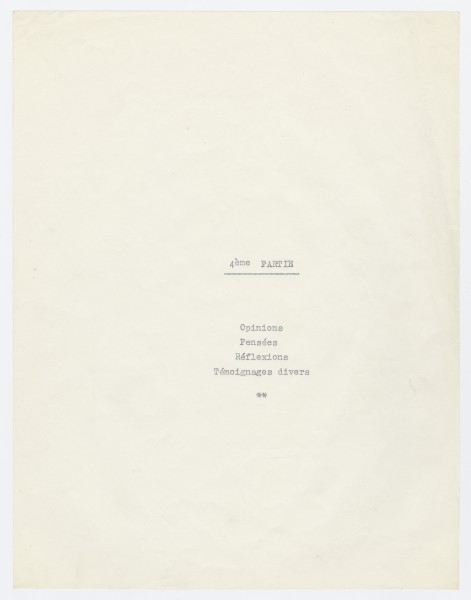
Document, 1960″Mon livre’ 4è partie’ Opinions Pensées Réflexions Témoignages…”
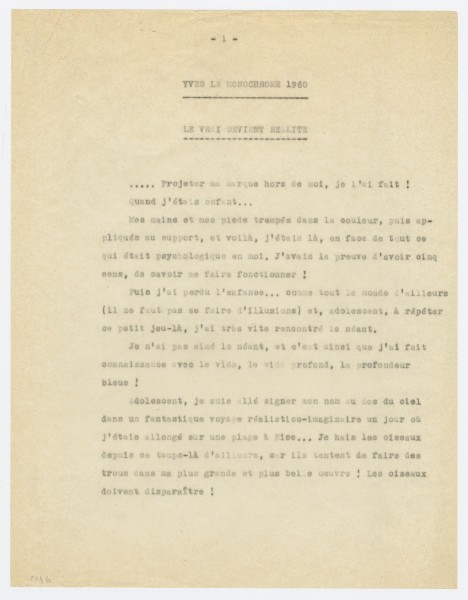
Document, 1960Yves Klein, “Yves le monochrome 1960, le vrai devient réalité”
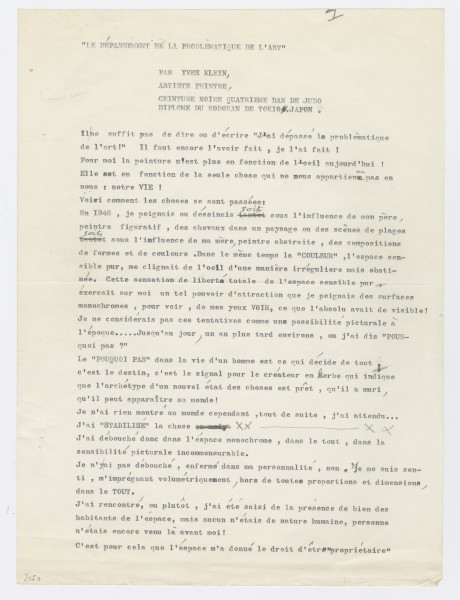
Document, 1959″Le dépassement de la problématique de l’art”
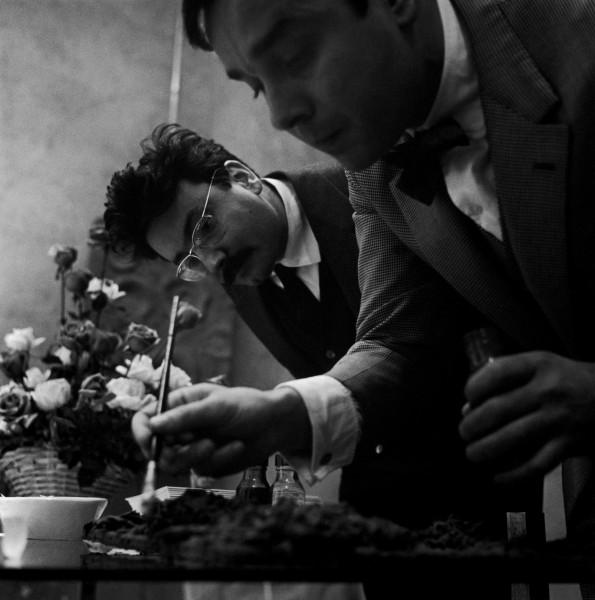
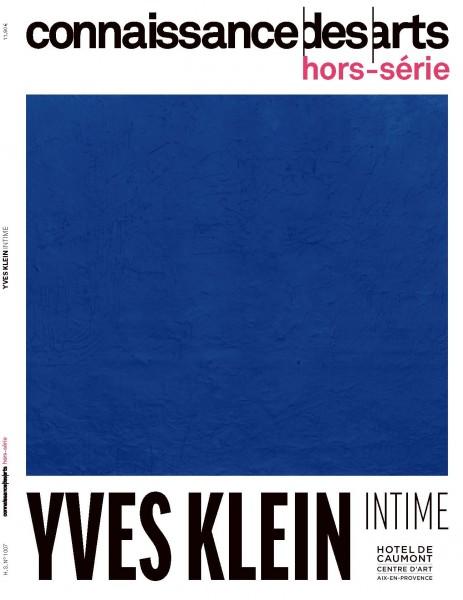
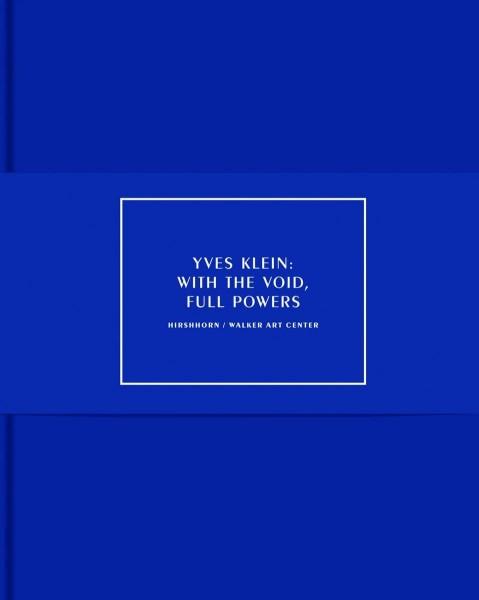
Book, 2010Yves Klein: With the Void, Full Powers Out of this world
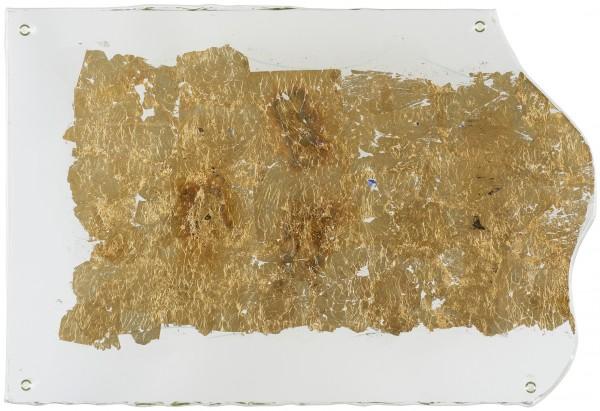
Artwork, 1959Untitled gold monochrome, (M 59)
![Valeur or [Value Gold]](https://www.yvesklein.com/files/picture_thumbnail_1513.jpg)
Artwork, 1960Valeur or [Value Gold], (MG 22)
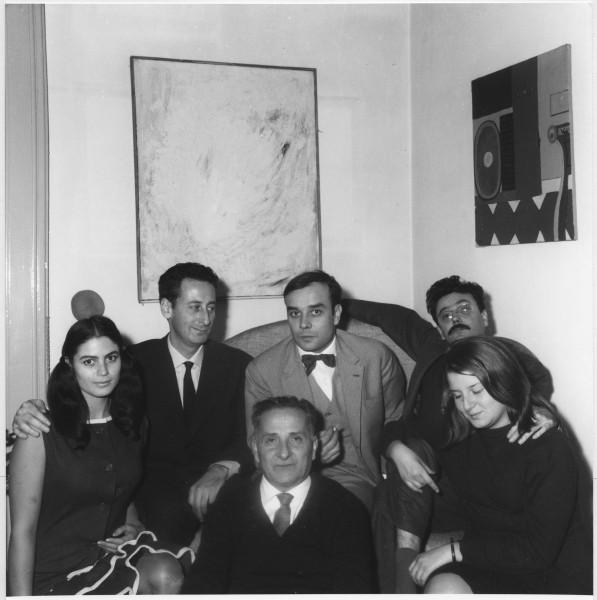
Book, 2024Iris Clert – singulièrement galeriste
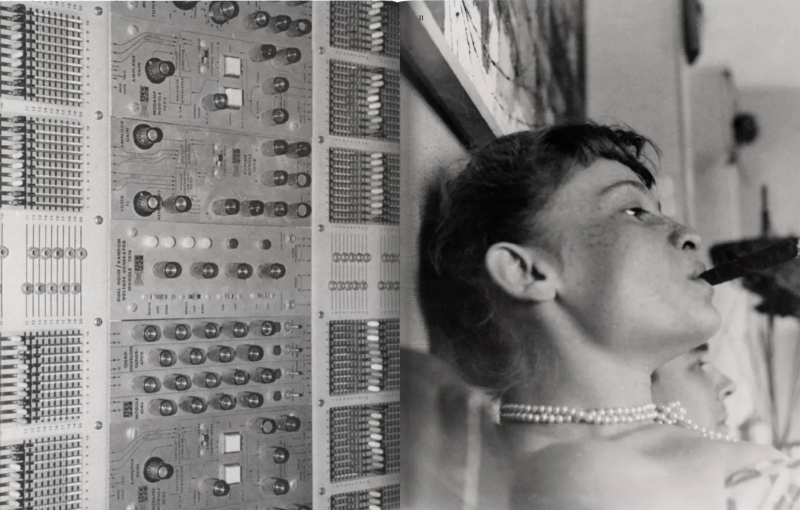
Editorial, 2007, Éliane RadigueThe “Monotone-Silence Symphony” as seen by Éliane Radigue, composer
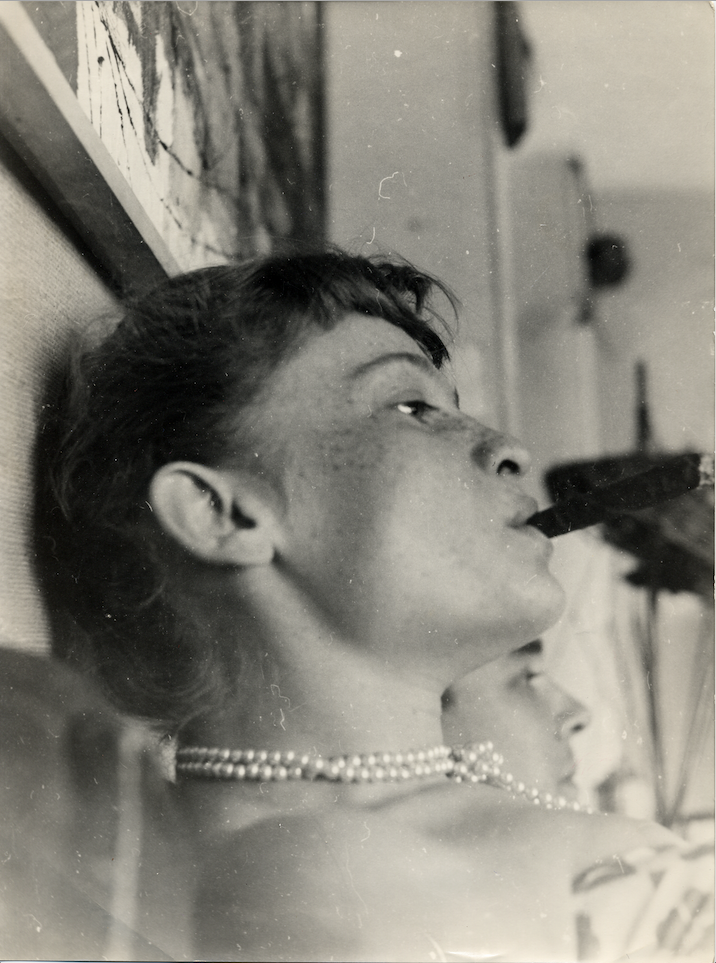
Audio, 2007‘An obvious and manifest work’, interview with Eliane Radigue by Philippe Ungar
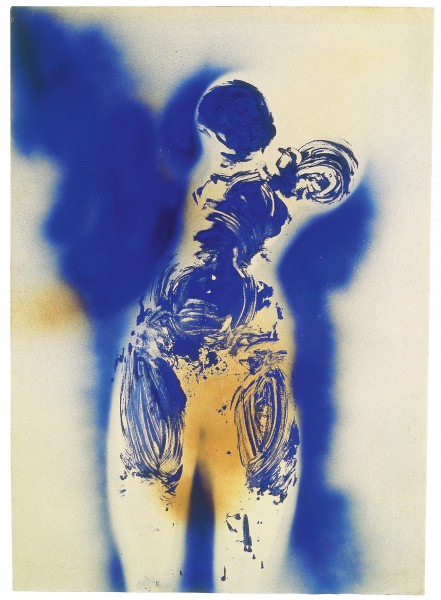
Artwork, 1960Untitled Anthropometry, (ANT 7)
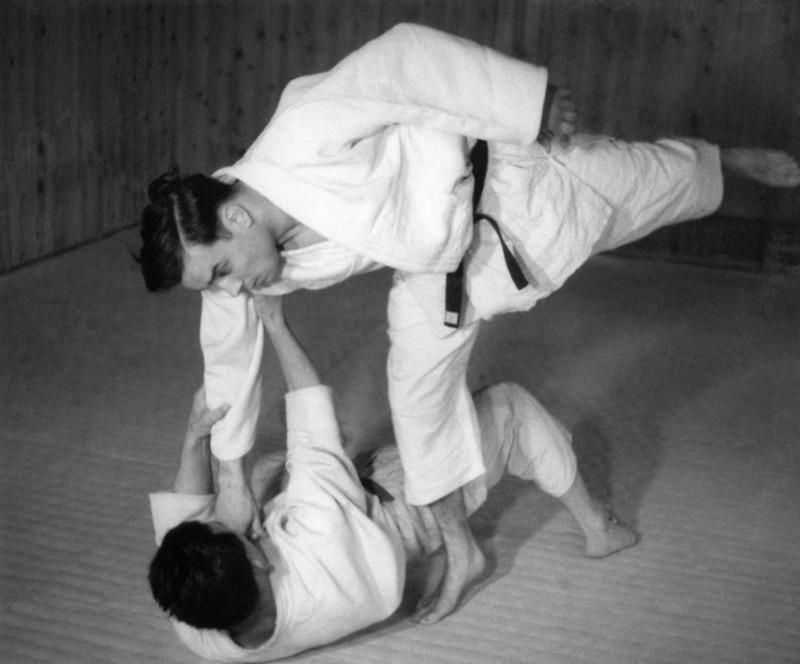
Editorial, 2012, Frédéric Prot”On Judo, Considered As One of the Fine Arts”, by Frédéric Prot
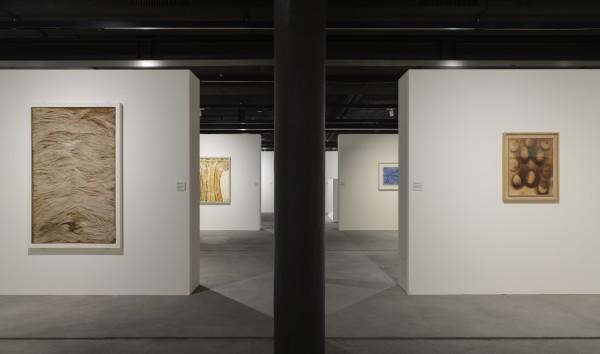
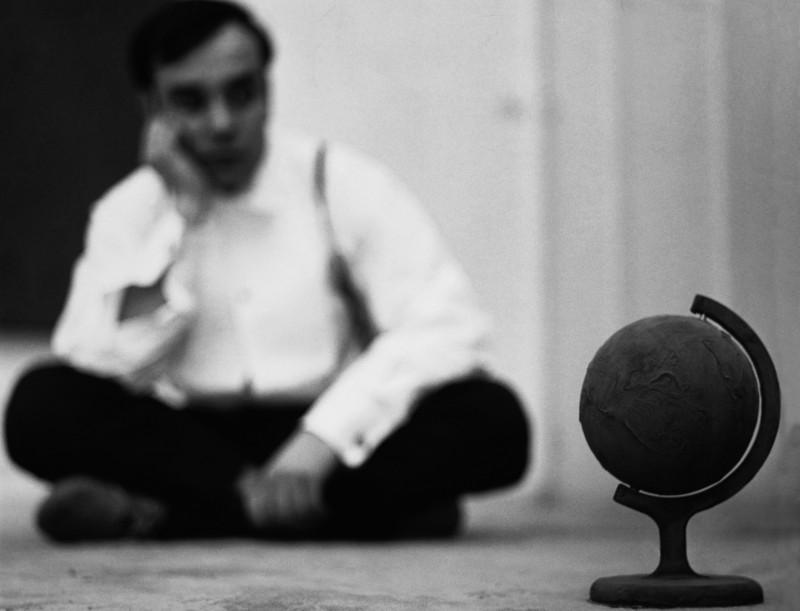
Editorial, 2020, Frédéric Migayrou”The force of universality”, by Frédéric Migayrou
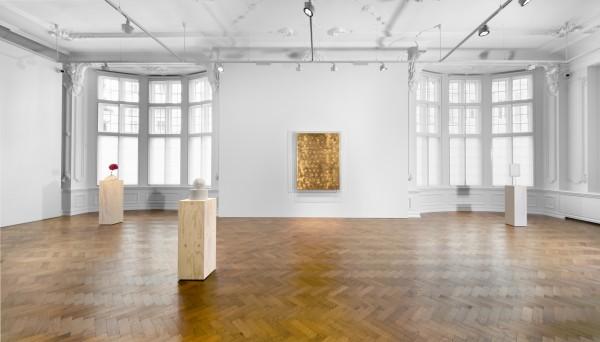
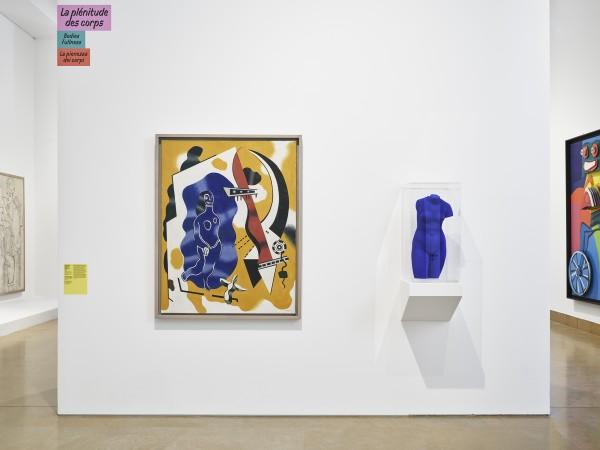
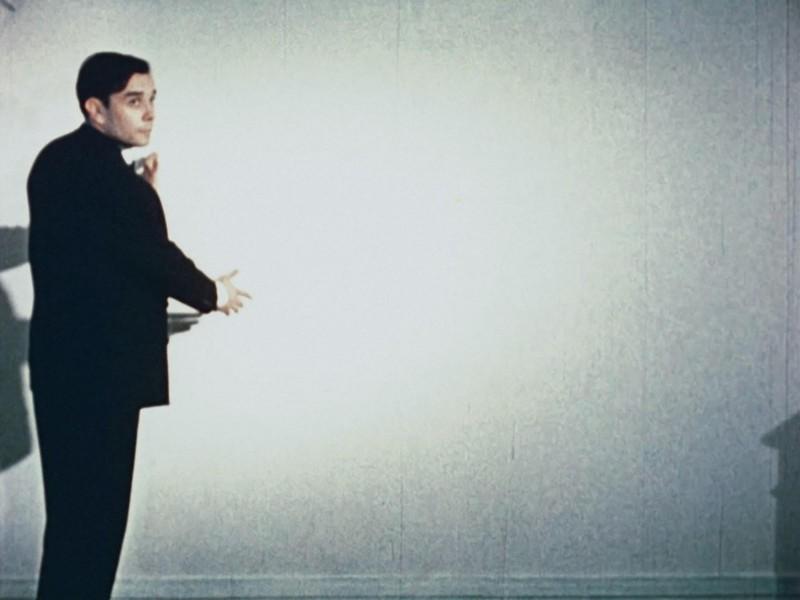
Editorial, 2017, Denys Riout”Incandescent ashes”, by Denys Riout
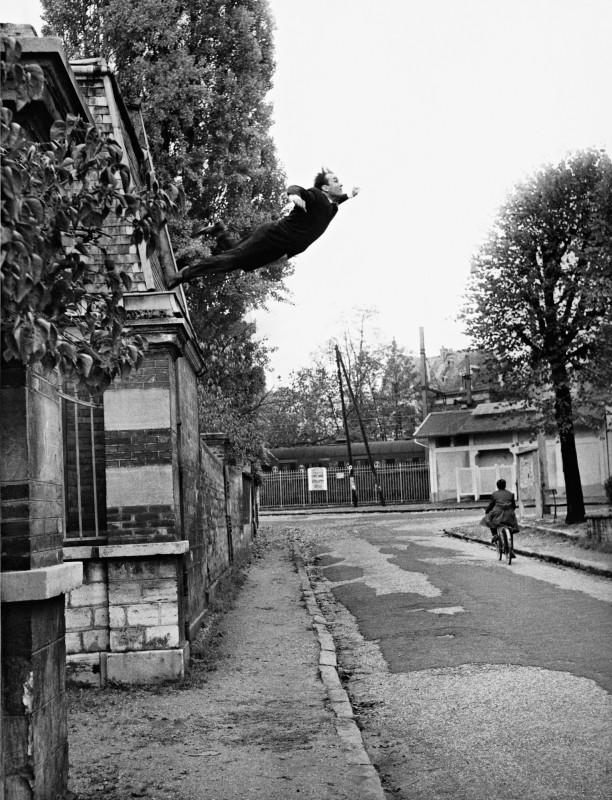
Editorial, 2022, Damien Sausset”Leap into the Void” as seen by Damien Sausset, art critic
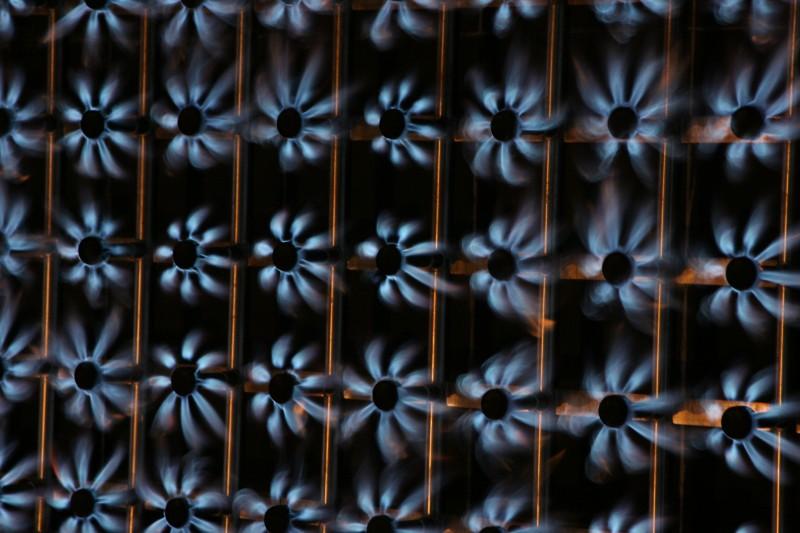
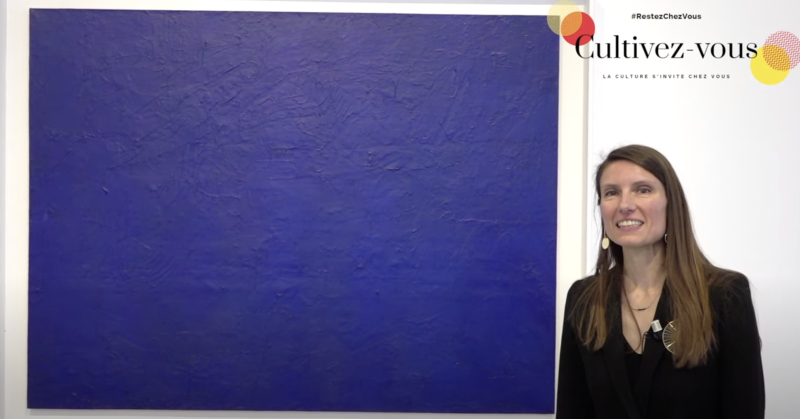
Editorial, 2020, Hélène GuéninYves Klein as seen by Hélène Guenin, Director of MAMAC Nice
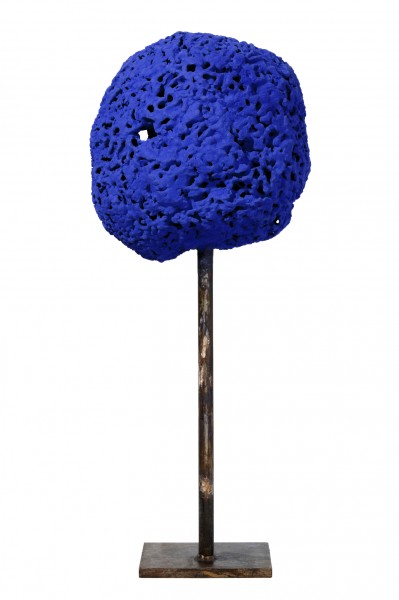
Artwork, 1960Untitled blue Sponge Sculpture, (SE 231)
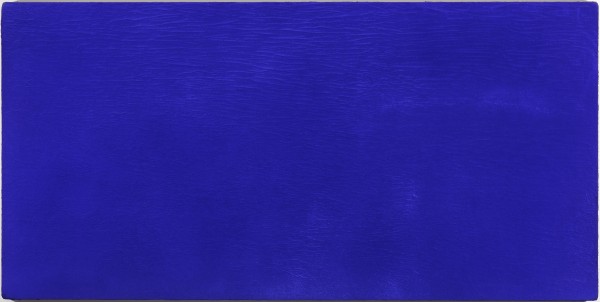
Artwork, 1957Monochrome bleu sans titre, (IKB 81)
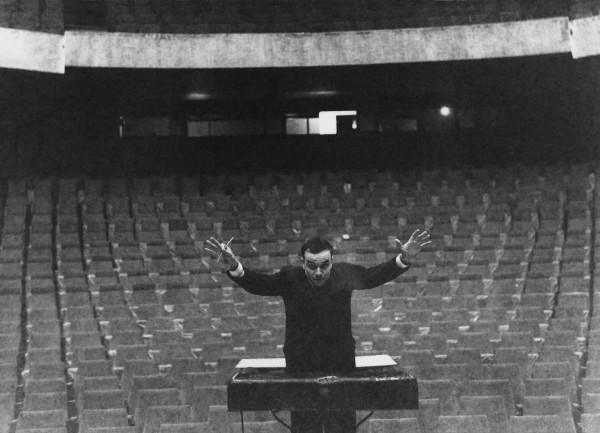
Exhibition, 1 mai 2024Monotone-Silence SymphonySt James’ Church, New York, United States
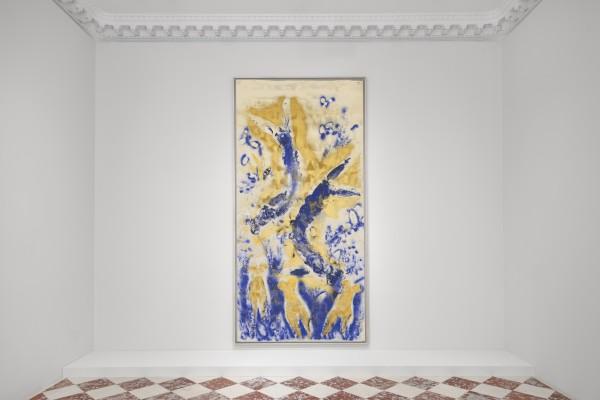
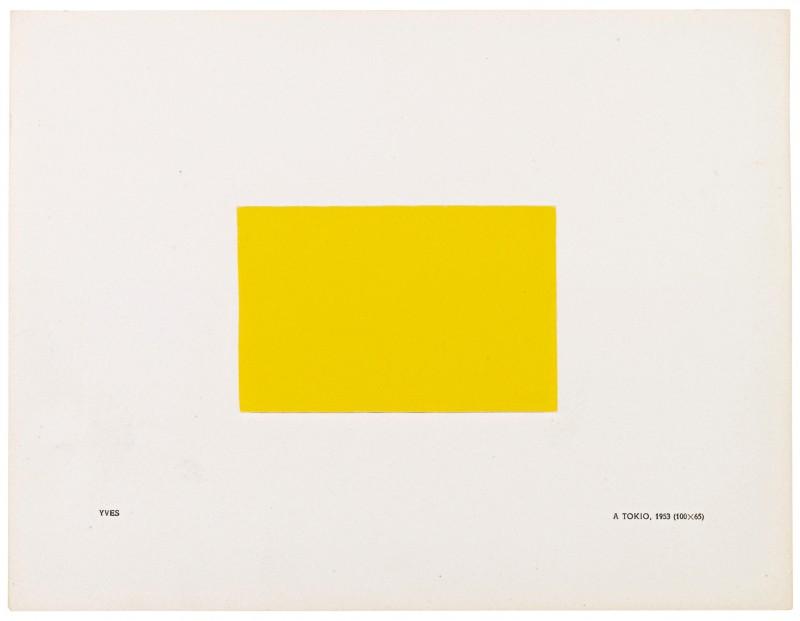
Editorial, 2022, Didier Semin”Yves Paintings” as seen by Didier Semin
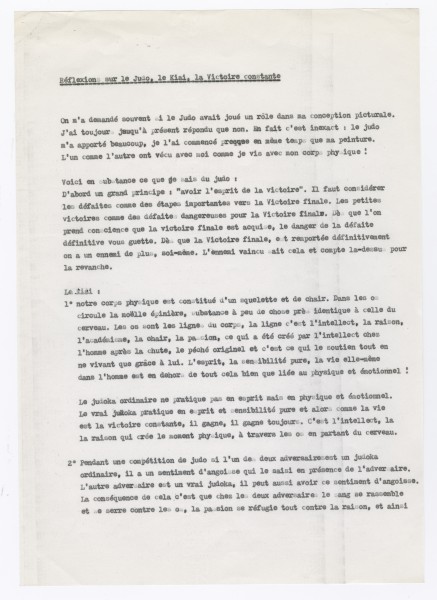
Document, 1958Yves Klein, “Reflections on Judo, Kiai and Constant Victory”
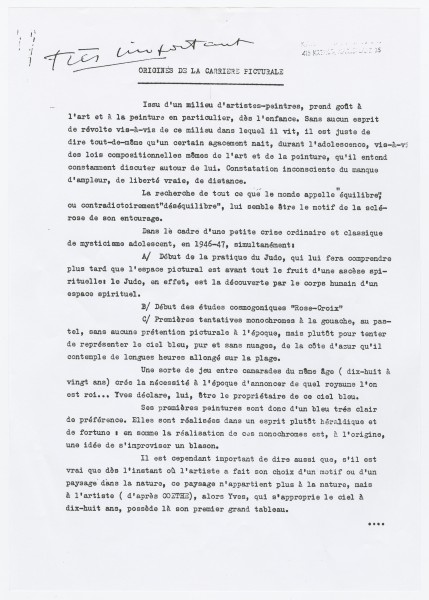
Document, 1960Origins of the Pictorial Career
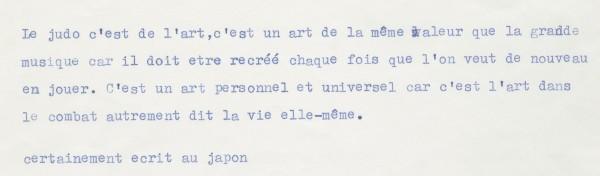
Document, 1952Yves Klein, “Judo is art…”
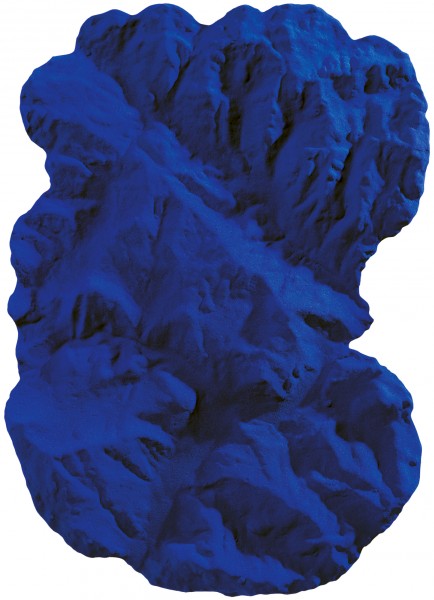
Artwork, 1961Untitled Blue Planetary Relief, (RP 4)
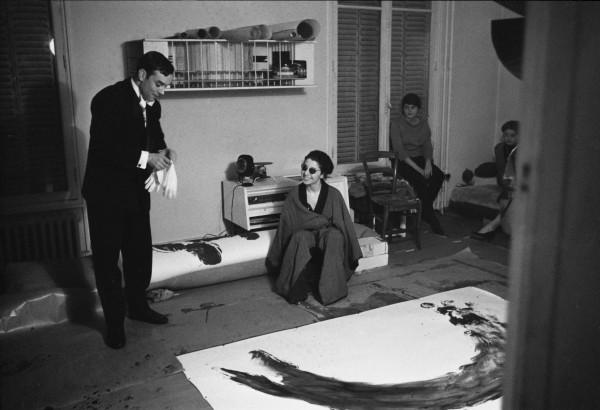
Photo, 1960Yves Klein realizing an Anthropometry with Elena in his studio (ANT 111)


CHRISTIES ( Auction House) Jan 27 2026
CHRISTIES
- Browse all
- Artists
- CHRISTIES Jan 27 2026
Yves Klein
Over the course of his tragically brief life, Yves Klein produced one of the 20th century’s most radical and esoteric bodies of work. Fascinated by the colour blue, he believed that art had the power to reveal the mysterious void underpinning human existence.
Klein was born in Nice in 1928. While sitting on the beach with his friend Arman, he symbolically ‘signed’ 6 artists have been loaded.
267 resultsSearch
Filters
Ways to Buy
- Auction (267)267 results available
- Private Sale (0)0 results available
Category
- Sculptures, Statues & Figures (145)145 results available
- Paintings (71)71 results available
- Prints & Multiples (23)23 results available
- Furniture & Lighting (16)16 results available
- Drawings & Watercolors (9)9 results available
- All other categories of objects (1)1 result available
PriceUSD
Enter low price range valueUSD
Enter high price range value
AvailabilityAll null results availableUpcoming (0)0 results availableSold (267)267 results available
Material / Medium
Date
Item Type
Origin
Yves Klein (1928-1962)
Le Rose du bleu (RE 22)Live Auction 5488 Post-War and Contemporary Art Evening Auction
.jpg?w=1)
Estimate on request
Price RealisedGBP 23,561,250
Yves Klein (1928-1962)
FC1 (Fire Color 1)
EstimateUSD 30,000,000 – 40,000,000
Price RealisedUSD 36,482,500
YVES KLEIN (1928-1962)
Anthropométrie de l’époque bleue, (ANT 124) (Anthropometry of the Blue Period), (ANT 124))
Estimate on request
Price RealisedGBP 27,197,000
Yves Klein (1928-1962)
California , (IKB 71)
Estimate on request
Price RealisedEUR 18,375,000
Yves Klein (1928-1962)
Barbara (ANT 113)
EstimateUSD 12,000,000 – 18,000,000
Price RealisedUSD 15,597,500
Yves Klein (1928-1962)
Anthropométrie “Le Buffle” (ANT 93)
EstimateUSD 8,000,000 – 12,000,000
Price RealisedUSD 12,402,500
Yves Klein (1928-1962)
Rélief éponge bleu (RE 51)
EstimateGBP 6,000,000 – 9,000,000
Price RealisedGBP 7,657,250
Yves Klein (1928-1962)
Peinture de feu couleur sans titre, (FC 27)
Estimate on request
Price RealisedGBP 5,906,500
Yves Klein (1928-1962)
Relief éponge or (RE 47 II)
EstimateGBP 5,000,000 – 7,000,000
Price RealisedGBP 5,865,250
Yves Klein (1928-1962)
Accord Bleu (Sponge Relief)
EstimateUSD 7,000,000 – 10,000,000
Price RealisedUSD 7,586,500
Yves Klein (1928-1962)
Anthropométrie (ANT 5)
EstimateGBP 1,500,000 – 2,000,000
Price RealisedGBP 4,129,250
Yves Klein (1928-1962)
Untitled Blue Monochrome (IKB 276)
EstimateGBP 4,000,000 – 6,000,000
Price RealisedGBP 3,946,250
YVES KLEIN (1928-1962)
Untitled Monogold, (MG 21)
EstimateUSD 3,000,000 – 5,000,000
Price RealisedUSD 4,980,000
Yves Klein (1928-1962)
IKB 319
EstimateUSD 1,800,000 – 2,500,000
Price RealisedUSD 4,869,000
Yves Klein (1928-1962)
Relief É ponge bleu sans titre (RE 37)
EstimateGBP 3,000,000 – 5,000,000
Price RealisedGBP 3,368,750
Yves Klein (1928-1962)
UNTITLED BLUE SPONGE SCULPTURE (SE 181)
EstimateUSD 4,000,000 – 6,000,000
Price RealisedUSD 4,645,000
Yves Klein (1928-1962)
Sculpture éponge bleue sans titre (SE 284)
EstimateGBP 2,500,000 – 3,500,000
Price RealisedGBP 3,218,500
Yves Klein (1928-1962)
Anthropométrie sans titre, (ANT 49)
EstimateUSD 3,500,000 – 4,500,000
Price RealisedUSD 4,212,500
Yves Klein (1928-1962)
SE 181
EstimateGBP 1,400,000 – 1,800,000
Price RealisedGBP 2,693,875
Yves Klein (1928-1962)
Anthropométrie sans titre, (ANT 49)
EstimateUSD 3,000,000 – 4,000,000
Price RealisedUSD 3,469,000
Yves Klein (1928-1962)
Untitled Blue Monochrome (IKB 108)
EstimateUSD 3,000,000 – 4,000,000
Price RealisedUSD 3,301,000